
Zeverland Beginner Guide: First-Day Survival Basics
This Zeverland beginner guide explains the confirmed first steps: collect scrap, craft improvised weapons, find shelter, explore safely, and plan a first base.
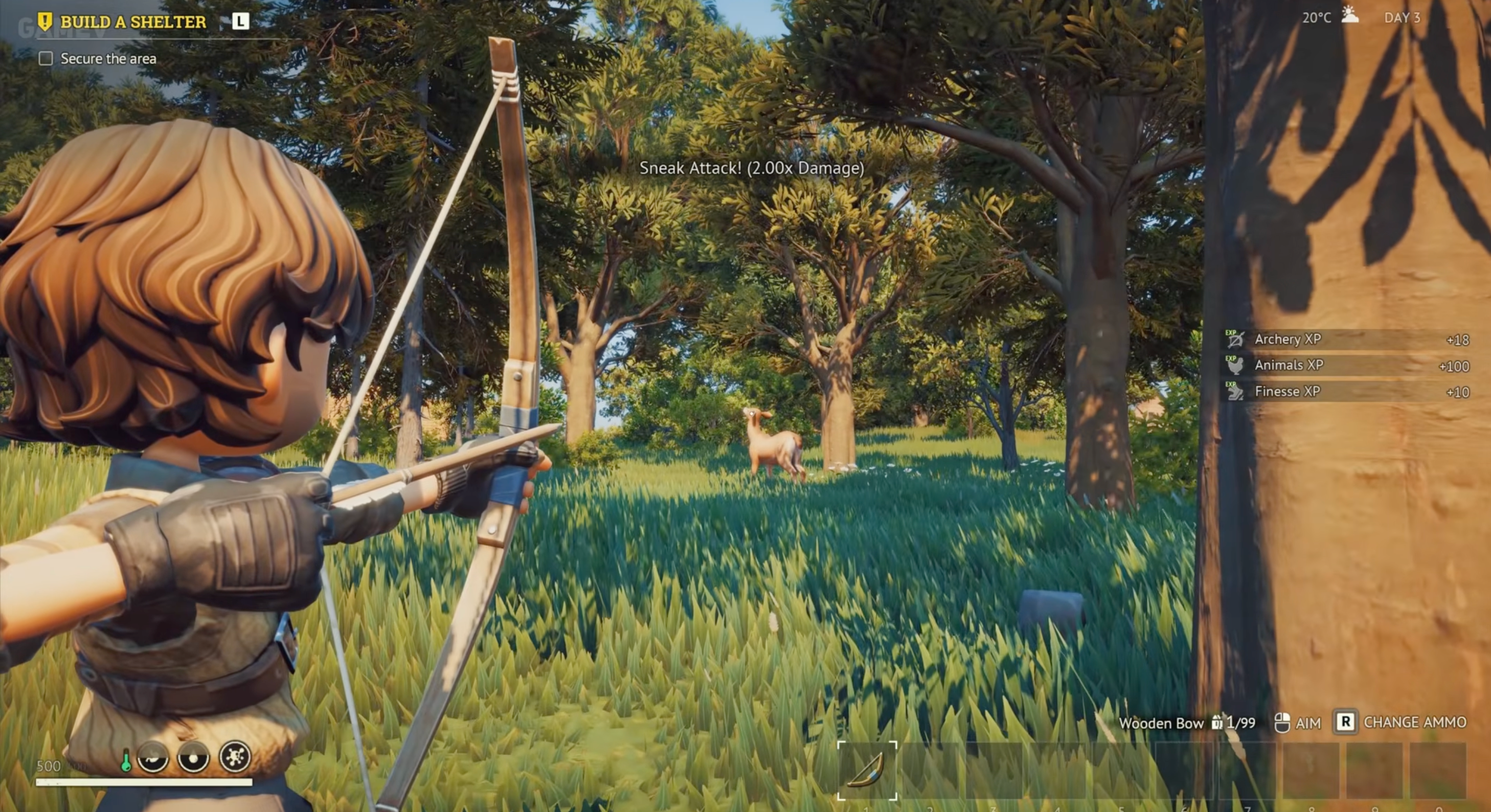
The best Zeverland beginner guide route is to secure survival basics before chasing distant objectives: search nearby locations for scrap, turn useful objects into an improvised weapon, find a safe place, and only then expand your exploration. The official Steam description presents Zeverland as an open-world zombie survival and crafting game where everyday objects can be dismantled or modified. It also confirms single-player and online co-op, so the same early priorities work whether you are learning alone or with friends.
What the official material confirms
Zeverland begins at the first chaotic minute of an apocalypse rather than after civilization has already settled into a new routine. The official description frames the world as interactive, with resources, objects, buildings, vehicles, and infrastructure all contributing to survival. It specifically presents scrap collection, improvised weapons, safe places, shelter building, bridge repair, and exploration as parts of the game’s loop.
The world is described as a seamless wasteland of about 5,000 km², with mountains, lakes, towns, and abandoned farms. That scale makes a careful first route more useful than wandering without a destination. The exact map layout, named regions, enemy distribution, and opening quest order are pending confirmation, so this page focuses on priorities that are supported by the supplied sources.
First priority: gather before you travel
The first practical goal is to collect scrap and inspect the nearby environment. The official material says that ordinary objects can be interacted with and modified, which means a new player should treat useful surroundings as potential materials rather than decoration. Vending machines, pantries, abandoned facilities, and other everyday objects are shown as examples of places where a survivor might find something useful.
Do not read that as a confirmed loot table. The sources do not publish exact item drops, respawn rules, inventory limits, or a fixed opening checklist. The safest early habit is to search nearby objects, keep materials that support survival or crafting, and avoid committing to a long trip before you understand the local area.
Make an improvised weapon
Zeverland’s weapon identity is built around combining junk into practical tools. The official store page gives examples such as attaching a Zed head to a baseball bat, while another example combines a clothes iron with a tennis racket or a metal bat with a DSLR camera. These examples confirm the game’s creative direction, but they do not establish a complete recipe list or weapon stat system.
For a first session, use the environment to think in combinations rather than waiting for a conventional weapon tier. Look for objects that can serve as a base and materials that might change their use, then test combinations when the game makes the interaction available. Exact damage values, durability, rarity, crafting stations, and the strongest early weapon are pending confirmation.
Find a safe place before expanding the route
The official description repeatedly returns to the idea of a safe haven or post-apocalypse shelter. A shelter gives the first exploration loop a destination and creates a place from which you can organize materials, support future crafting, and prepare to move farther into the world. The sources also mention beds, water purifiers, gardens, and other base elements, but they do not confirm the order in which a player unlocks them.
A beginner should therefore treat shelter planning as a short-term objective, not as a promise that every nearby building can become a permanent base. Existing-building occupation rules, structural requirements, storage capacity, and building costs are not fully published. If a feature is not available in the version you are playing, mark it as pending confirmation rather than assuming the trailer examples are a current rule.
Explore with a reason
After gathering and securing a shelter, explore with one clear purpose. The confirmed examples include finding resources, repairing bridges, discovering towns and farms, and interacting with infrastructure. A focused trip is easier to evaluate than a long expedition because you can return with a specific material, location clue, or repair objective instead of losing track of what you were trying to do.
The map page is described officially only at the level of broad terrain and locations. There is no supplied downloadable interactive map, coordinate list, or confirmed route for a first-day circuit. Keep a personal record of discoveries if you are playing an early build, but do not treat an unverified landmark or community map marker as an official location until the developers publish it.
Playing alone or with friends
The Steam listing confirms single-player, multiplayer, co-op, and online co-op categories. The official vision also describes groups working together on shelters, bridges, vaccines, and other large projects. That means a solo player can learn the core loop independently, while a co-op group can divide searching, crafting, building, and travel.
The sources do not confirm party size, shared inventory rules, progression ownership, friendly-fire settings, or whether every world objective scales with the group. Those multiplayer details are pending confirmation. Until they are documented, agree on a simple role split with friends and keep important resources organized rather than assuming that every object or objective is shared automatically.
What is still pending confirmation
The supplied evidence does not confirm an exact tutorial, character roster, opening mission sequence, numerical hunger or thirst values, enemy levels, crafting recipes, storage rules, or a guaranteed base location. It also does not confirm whether the 5,000 km² figure represents the final launch world or an early description. Treat official store examples as feature direction, not as a complete technical guide.
The closed-alpha listing is also marked completed, so it should not be used as proof that an old test build is currently downloadable. For current access status, check the official Steam page and the separate playtest page. When a future build publishes patch notes or an in-game tutorial, those sources should replace the pending sections here.
A simple first-session checklist
Start by searching the immediate area, collecting scrap, and learning which objects respond to interaction. Make one useful improvised weapon before taking a long trip, then identify a safe place where materials and future base work can be organized. Explore toward a clear objective such as resources, a town, a farm, or infrastructure rather than travelling randomly.
Once the basic loop feels stable, decide whether to continue alone or invite co-op partners. Keep unverified mechanics separate from confirmed information, especially around building in existing structures, storage, vehicles, and infection. That approach gives a new player a practical beginning without turning promotional examples into unsupported rules.
Related guides
Sources
Related Articles
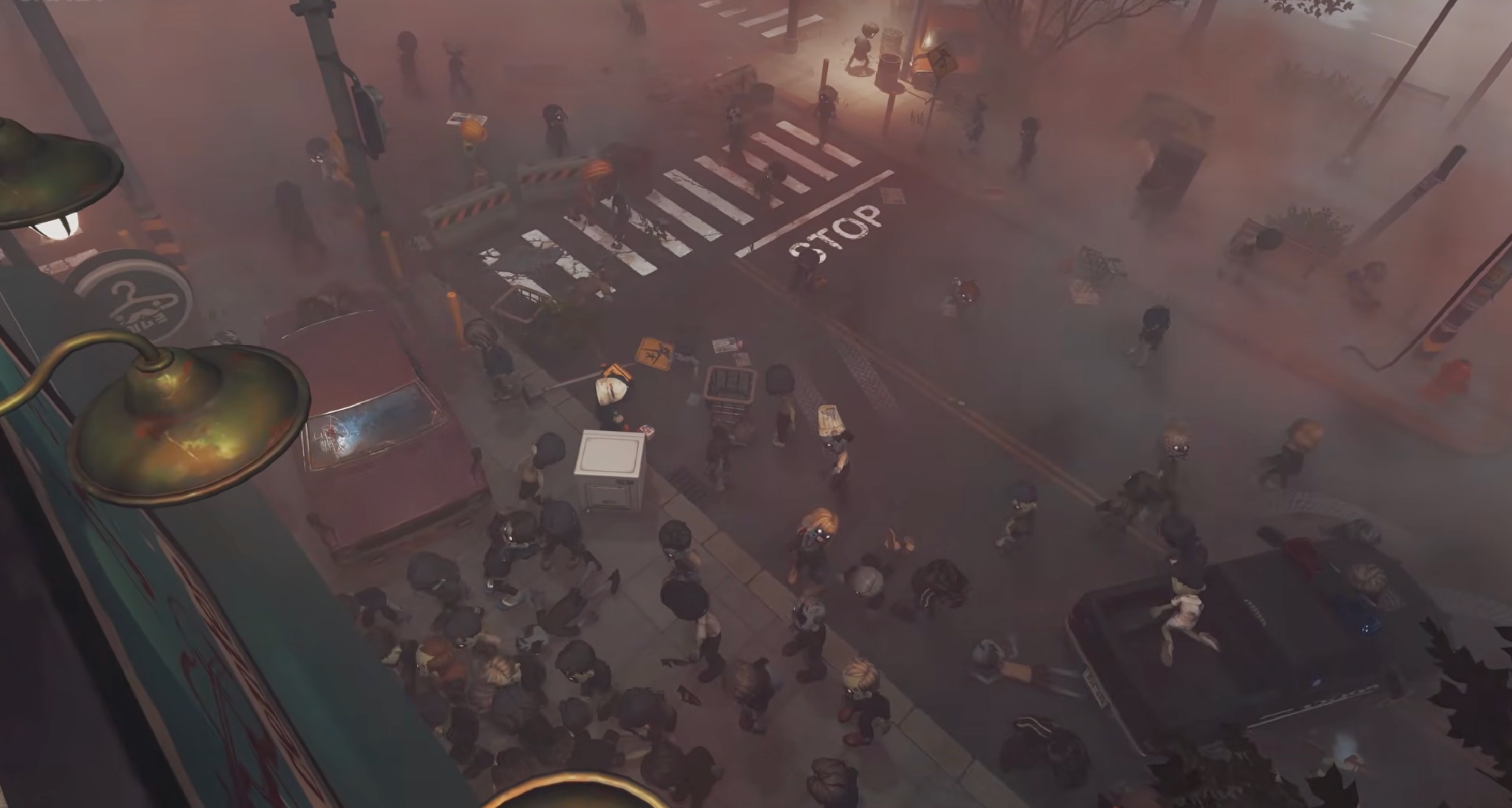
guides
Zeverland Survival Guide: Resources, Combat and Shelter
Use this Zeverland survival guide to plan resource searches, improvised weapons, shelter building, exploration, infection risks, and co-op preparation.
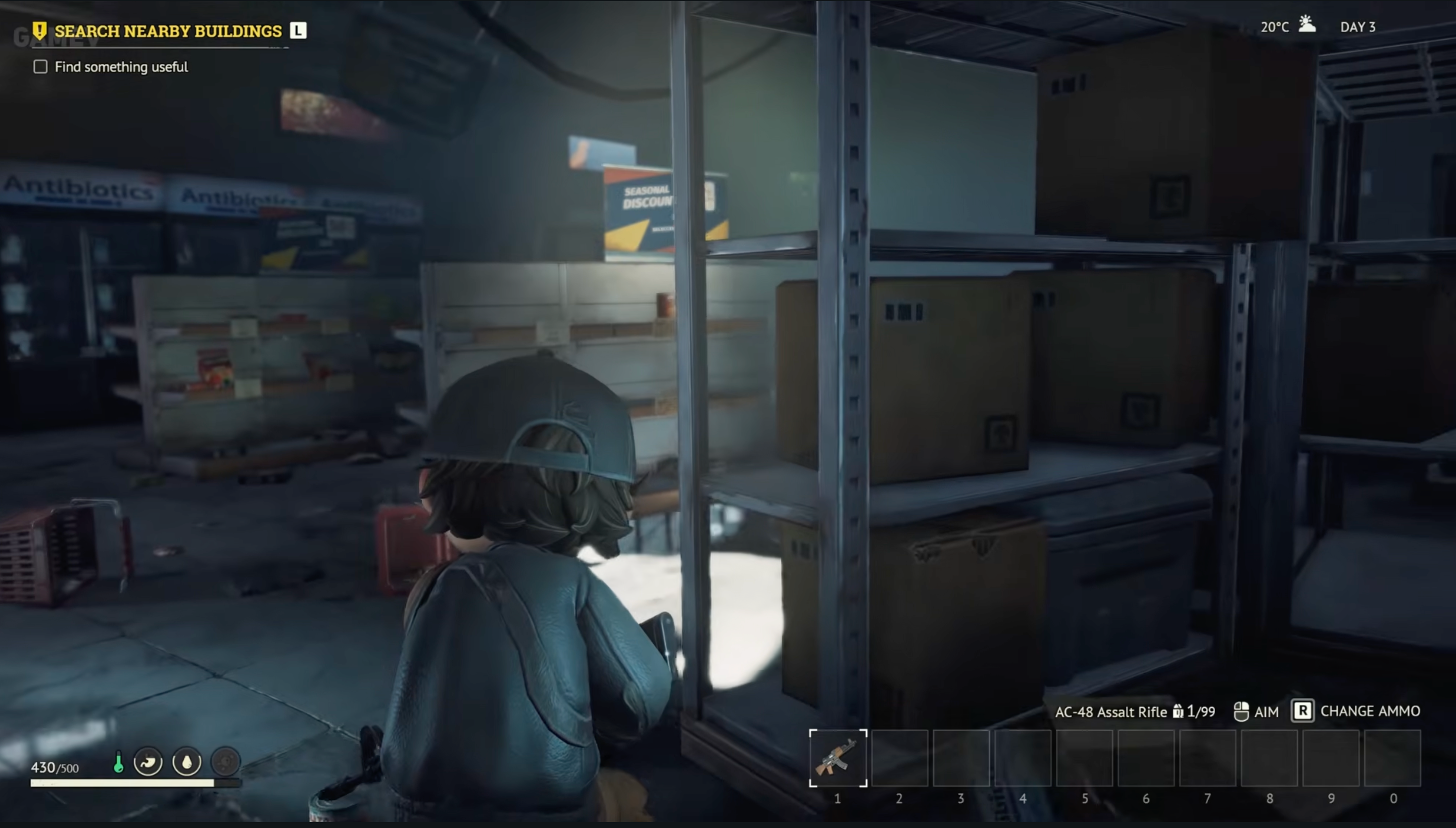
survival-mechanics
Zeverland Weapons Guide: Improvised Crafting and Combat
This Zeverland weapons guide covers confirmed junk combinations and combat direction while marking damage, durability, recipes, and tiers as pending.

survival-mechanics
Zeverland Zombie Transformation: Infection Explained
The Zeverland zombie transformation system is planned, but its trigger, timing, abilities, cure, and final rules remain pending confirmation.
Was this helpful?
Thanks for the feedback!